IWC Tonneau Ref.4475

Forget IWC’s classic pilot’s watch for a moment. This is IWC in full seventies mode.

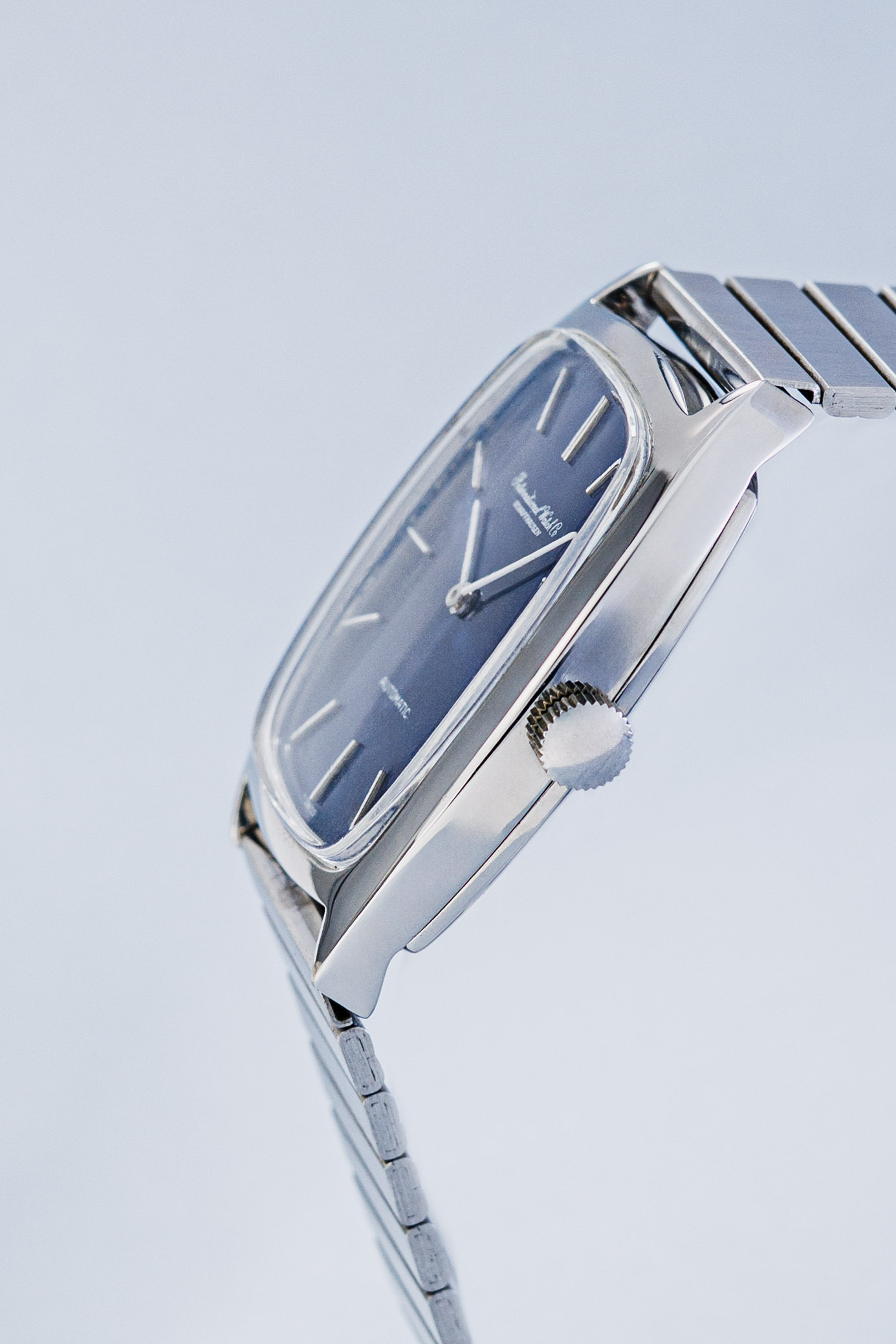
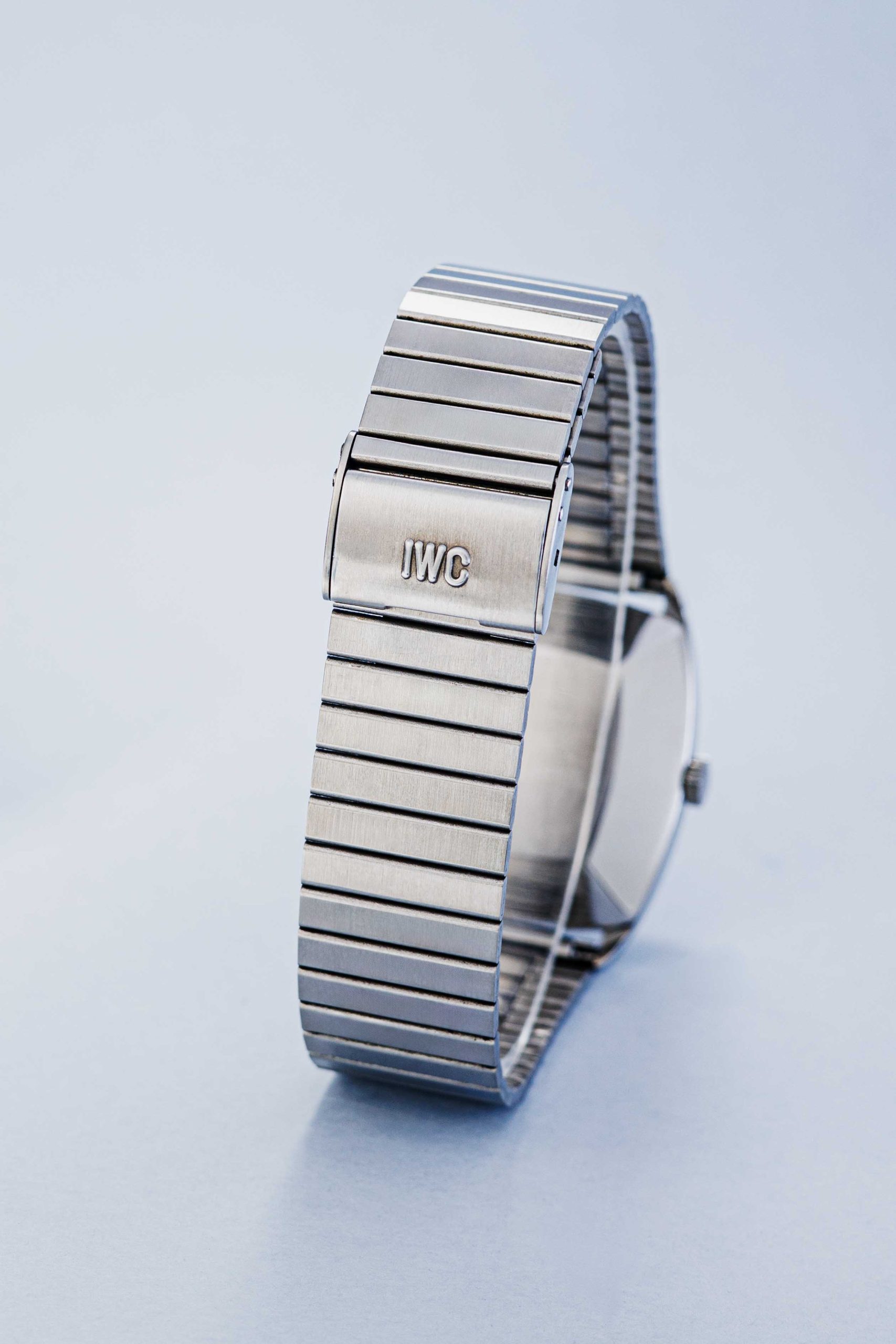
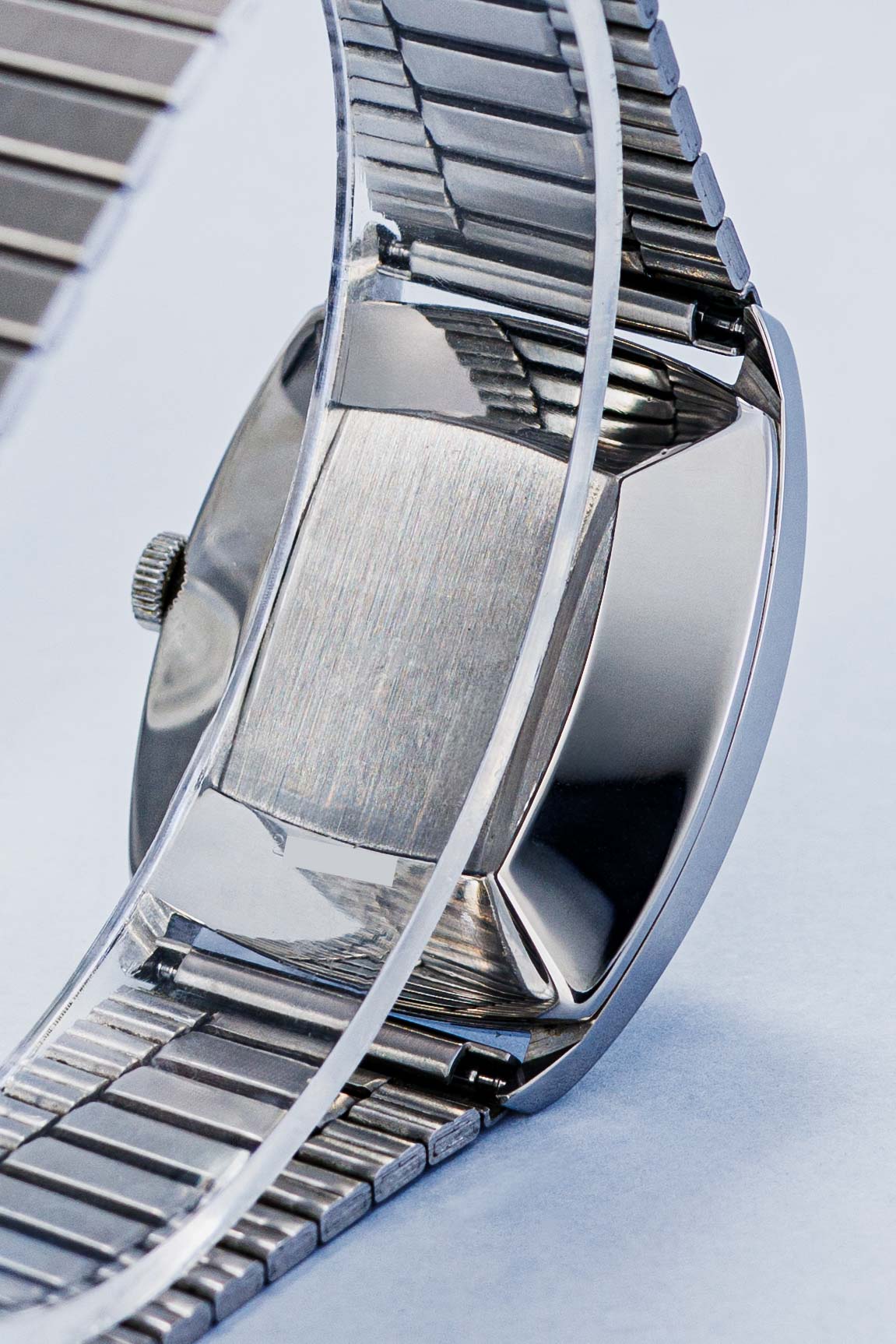
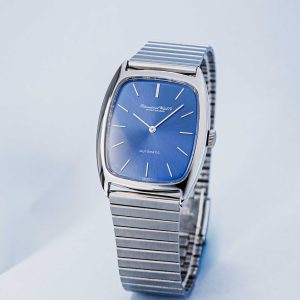
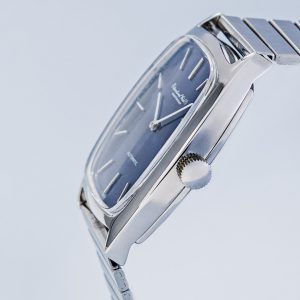
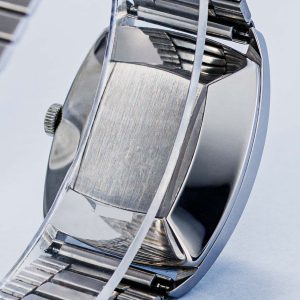
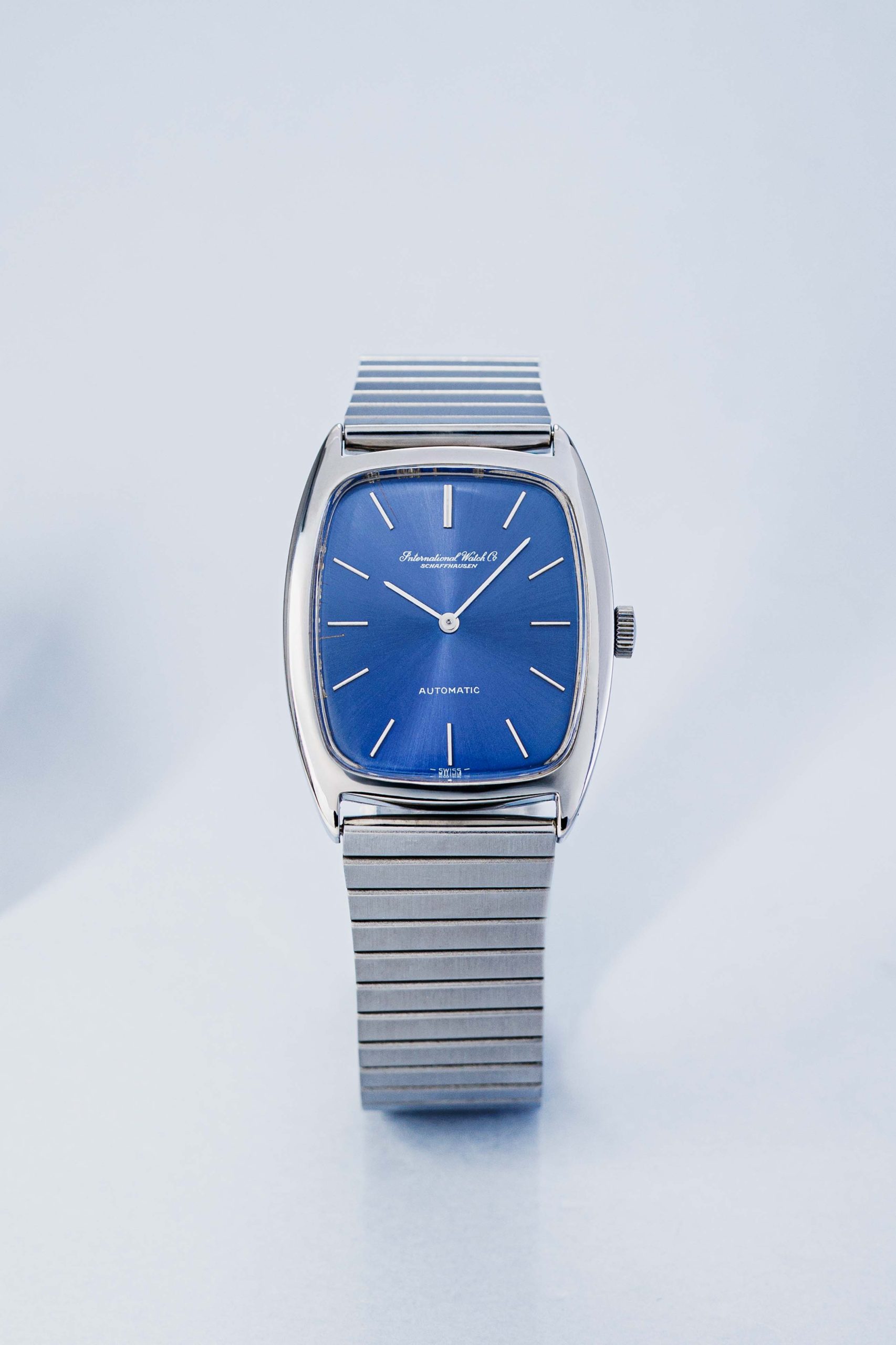
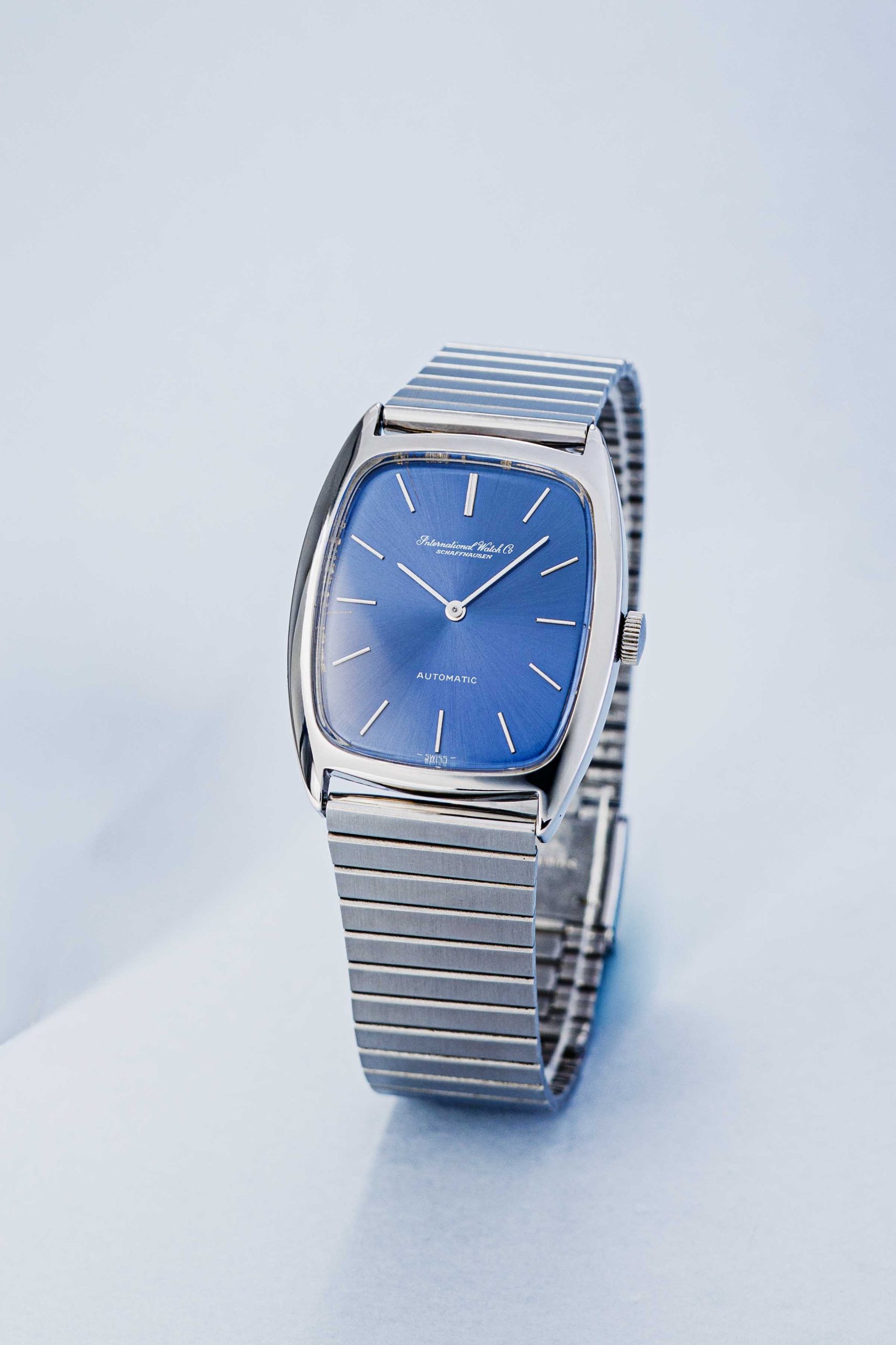
Dating to circa 1971, this Ref. 4475 wraps a deep blue dial inside a softly rounded tonneau case. At 28 mm it sounds small, but the broad steel shape and bracelet make it wear much more like a piece of period design than a traditional little dress watch.

The dial does most of the talking. A rich blue surface, slim baton markers, delicate hands and the old International Watch Co. Schaffhausen signature keep things wonderfully vintage. There is no date and very little text, leaving plenty of room for the colour to change as the light moves across it.

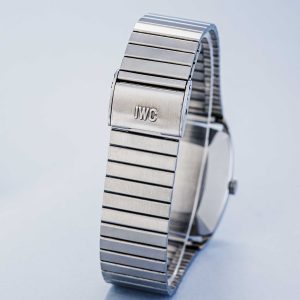
The case shape and steel bracelet give it that unmistakable early-seventies fascination with watches becoming more and more a design object rather than something you just needed to own. IWC was experimenting with similarly bold case and bracelet architecture around this period, well before integrated bracelet watches became the category they are today.

It is almost the opposite of the practical IWC most people picture: no cockpit instruments, no oversized numerals, just blue, steel and a very good tonneau silhouette.

A rather funky 1971 IWC that looks more like a seventies industrial design than a conventional Swiss dress watch. Small dimensions, big shape. Available at Reestraat 3, Amsterdam.

Year

1971

€ 2.790

Contact us

Got your attention?
We’re here to help.

Speak to us right away

Or, send a message

Brand IWC
Movement Automatic
Model Tonneau
Diameter 28 mm
Reference 4475
Bracelet/strap: Steel
Year of production (circa) 1971
Lug Width 18 mm
Material Steel
Set Content Watch only
Crystal Sapphire
Warranty 2 year (AWCo)
Dial color Blue

International Watch Company, better known as IWC Schaffhausen, was founded by American watchmaker Florentine Ariosto Jones in 1868. The company specialized in Aviation watches and is currently operating under the Richemont Group umbrella.

IWC introduced its first pilot’s watch in 1936. An inner rotating pointer could be used to keep track of take-off times and the escapement was anti-magnetic, to cope with the magnetic fields from the cockpit instruments.

In 1939, two Portuguese distributors ordered a large wristwatch with pocket watch movement and another iconic IWC line was born: the Portugieser. Today, particularly the dressy Portugieser chronographs are popular among IWC aficionados.

When Europe plummets into WWII, IWC is commissioned by both sides of the conflict to supply military watches. The two best-known examples are the Dirty Dozen field watches for the allies and the big pilot, known as Beobachtungsuhr or B-uhr, for the German Luftwaffe. The latter would form the design template for the later Big Pilot range.

Towards the end of WWII, IWC developed a new military movement, known as Cal. 89. When the war ends, the tough caliber is fitted to civilian watches. The Cal. 89 watches, many in classic Calatrava style, remain popular among collectors until today. In 1948, the Cal. 89 is fitted to the Pilot Mk XI, another popular vintage reference.

1955 Saw the introduction of another influential IWC model: the Ingenieur. IWC used its expertise in magnetic resistance to manufacture a watch for engineers and scientists, working with magnetic fields. This is two years after Rolex introduced the Milgauss for the same clientele.

In 1967, IWC branches out into water sports. The Aquatimer is introduced as a serious divewatch. The more casual Yacht Club is launched alongside for all-purpose daily wearing.

IWC remained innovative, being among the early adopters of the brand new quartz technology, for instance. But the house also recognized the value of heritage, building on its historic Pilot and Portugieser ranges. The result is a broad scope of all sorts of watches, for all sorts of people. Through it all, IWC maintained a reputation as high quality watchmakers.
At AWCo we put the safety of our shipments upfront at all times. Therefore, we ship all our packages insured.

We strive to promptly handle packages to minimize delays. Delivery times begin from the day of dispatch. While we make every effort to ensure smooth delivery, we cannot be held responsible for delays caused by destination customs, local duties, taxes, or lost items during transit.

Certainly, we understand that overloaded mail-order companies can also contribute to potential delays in the delivery process. Despite our best efforts, external factors beyond our control may affect shipping times. Rest assured, we remain committed to providing timely service and will work diligently to ensure your order reaches you as promptly as possible. For any inquiries or updates, feel free to reach out to us at info@awco.nl. Your satisfaction is our priority.